
Photographer: Row, 251 Bourke Street. Courtesy State Library Victoria (SLV)
The photograph can be enlarged or downloaded via this link https://handle.slv.vic.gov.au/10381/111604
The image above is an amazing rooftop panorama of Melbourne in 1920, taken from somewhere near (or possibly in the tower of) the General Post Office at the north east corner of Bourke and Elizabeth Streets. It is an almost 180o degree view of the east of the city with the view along Bourke Street towards the Parliament House at its centre. Many of the landmarks still exist but if you were to look out from that same spot today, most would be hidden by the forest of tall buildings central Melbourne now is.
Shutterstock
So, in 1920, what would we see if we looked out across central Melbourne?
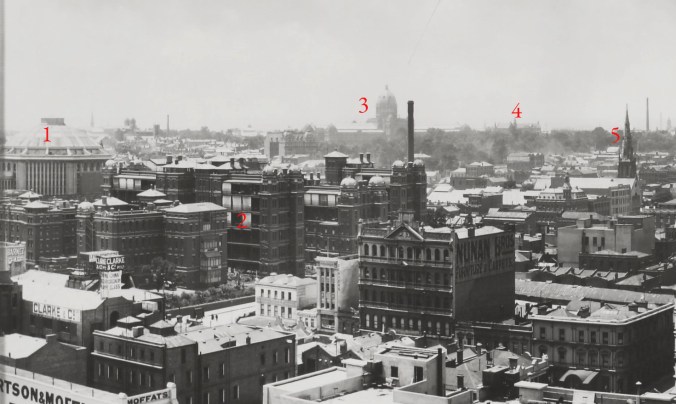
1. Melbourne Public Library. – 2. The Melbourne Hospital. – 3. The Royal Exhibition Building.
4. The Academy of Mary Immaculate. – 5. The Wesley Church.
1. Melbourne Public Library
Courtesy SLV
Courtesy SLV
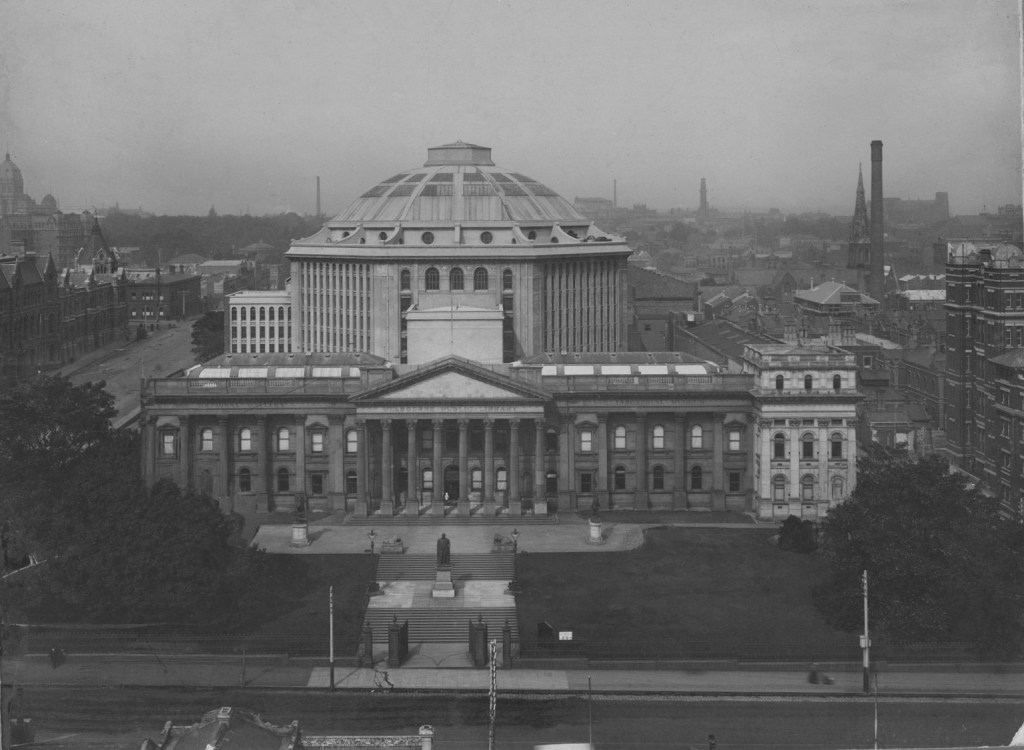
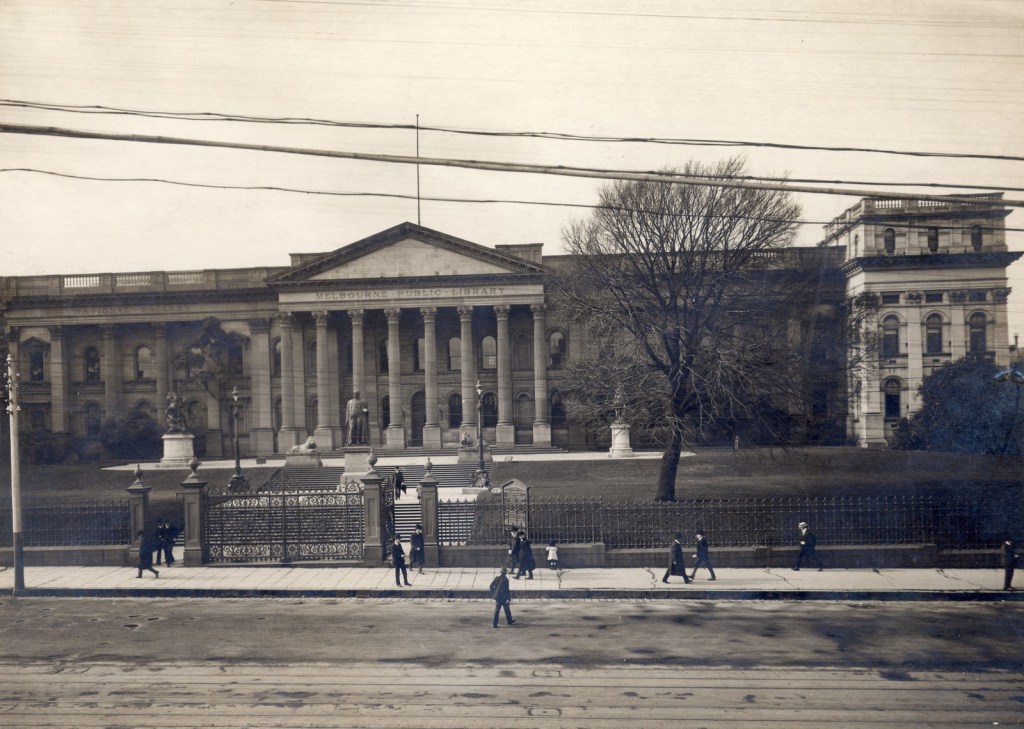
The Melbourne Public Library (now State Library Victoria) faces Swanston Street. The library was opened in 1856 and added to progressively over the next 150 years. The domed reading room was added in 1913. A fascinating animation of the library’s development can be seen here. Initially the building also housed the National Gallery of Victoria and the Museum. In 1910, tea rooms were opened; these could be entered from the museum and library, and from Little Lonsdale Street.
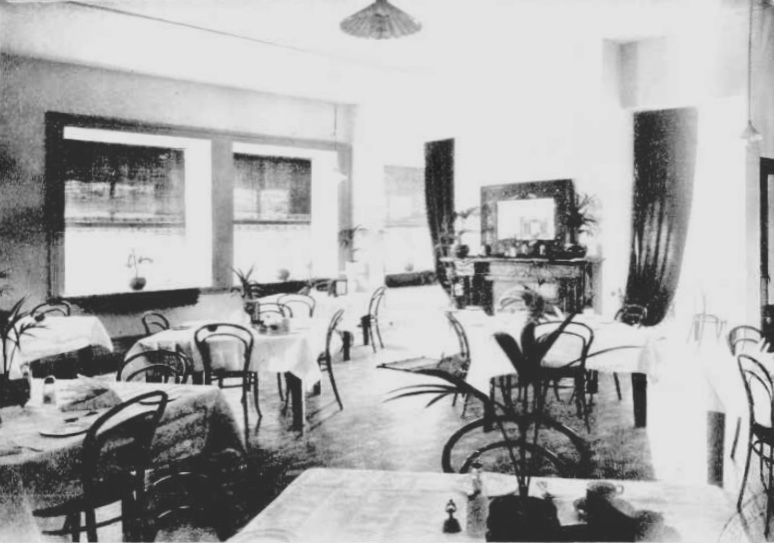
Table Talk 10 Mar 1910 p.25
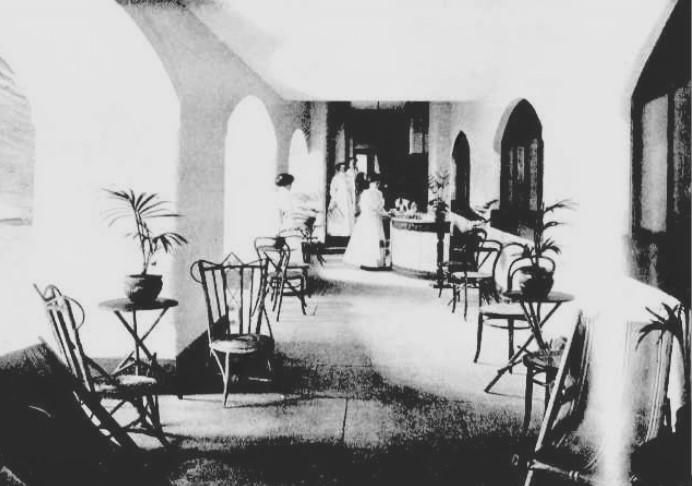
Table Talk 10 Mar 1910 p.26
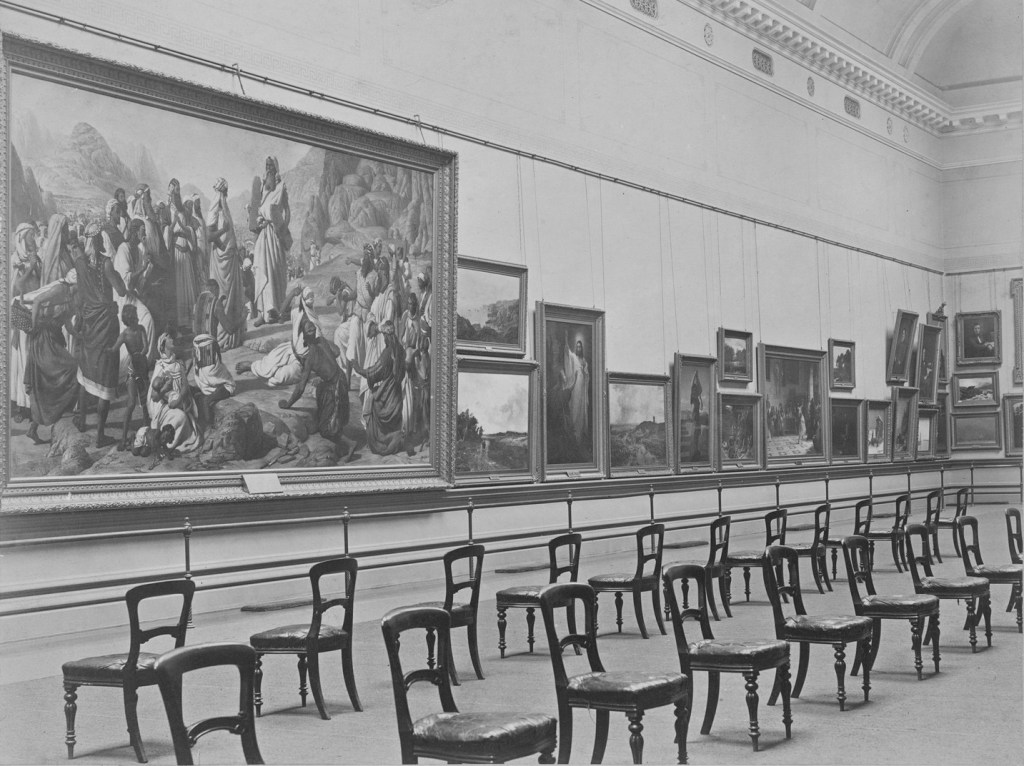
Courtesy SLV
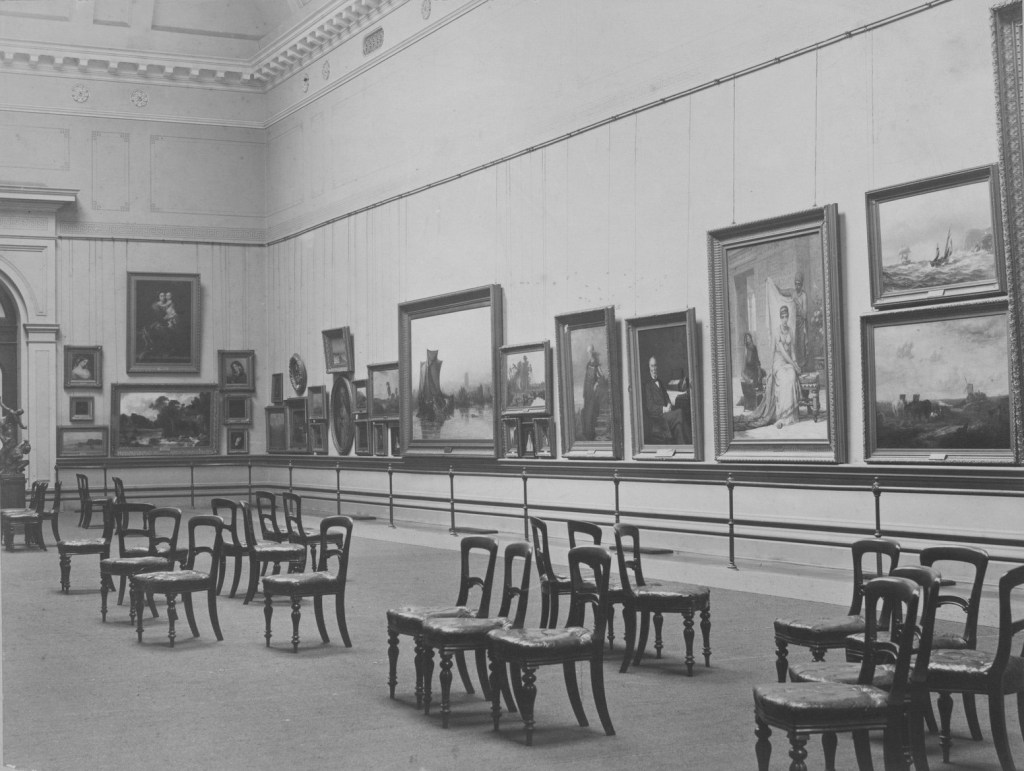
Courtesy SLV

2. The Melbourne Hospital
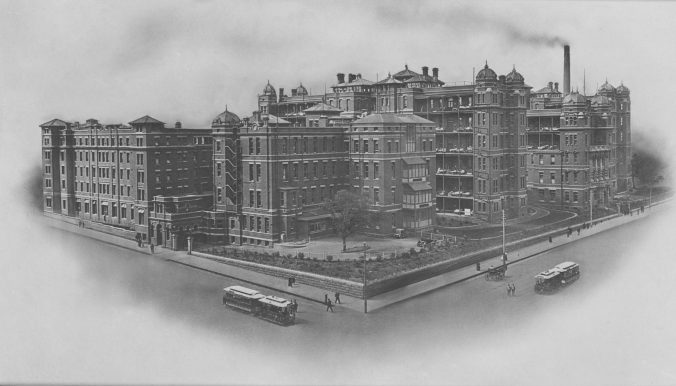
Courtesy SLV
The Melbourne Hospital (Royal Melbourne Hospital from 1935) was situated beside the Public Library on the block bounded by Little Lonsdale Street and Swanston, Lonsdale and Russell Streets. It opened in 1848 in a purpose built building on the corner of Swanston and Lonsdale Streets and was added to over the years. It moved to the current Parkville site in 1944. The Queen Victoria Hospital for Women took over the city site in 1946. It had previously been at Mint Place, a section of Little Lonsdale Street between William and Queen Streets. The buildings on the site were demolished after the hospital closed in 1987. One tower remains and now houses the Queen Victoria Women’s Centre.
3. The Royal Exhibition Building
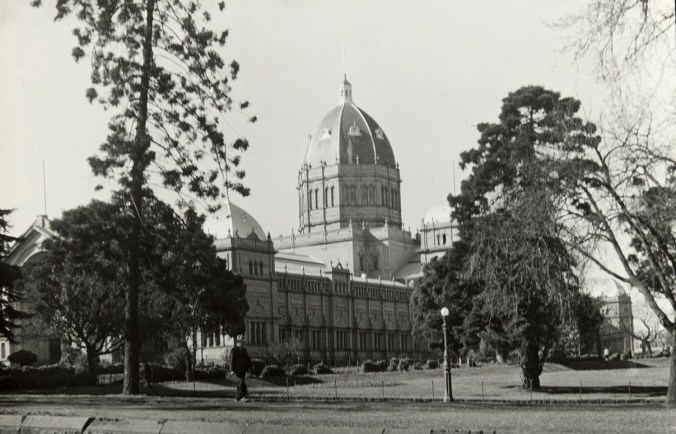
Photographer: Ruth Hollick. Courtesy SLV
The impressive Exhibition Building is surrounded by the Carlton Gardens. It opened on 1 October 1880 when it hosted the Melbourne International Exhibition. It was the site for the opening of the first Australian Parliament on 9 May 1901 following Federation when the six self-governing colonies joined together to form the Commonwealth of Australia.
It was used as an exhibition space, and as a hall for concerts and for political and other rallies. St Patrick’s Day celebrations were held here and included races on the running track at the back, and a grand concert in the evening. It was also used as an emergency hospital during the Influenza epidemic in 1919.
4. The Academy of Mary Immaculate
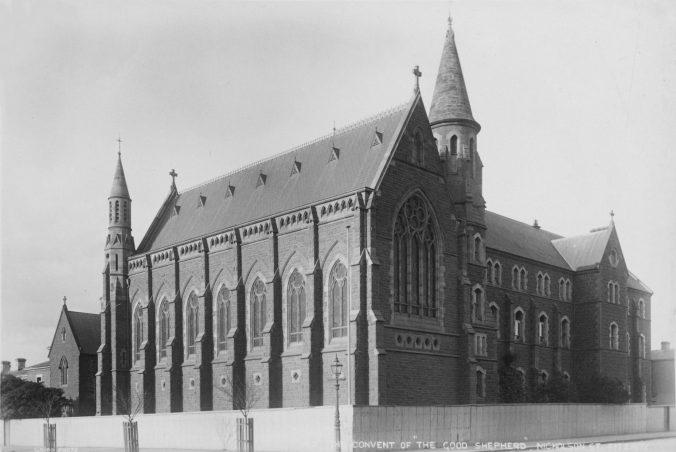
Photographer: Charles Rudd. Courtesy SLV
The Academy of Mary Immaculate in Nicholson Street, Fitzroy was established by the Sisters of Mercy in 1857 and is the oldest girls secondary school in Victoria. This photograph shows the convent, the Ursula Frayne Memorial Chapel, and the Academy school. The labelling of this photograph is incorrect.
5. Wesley Church
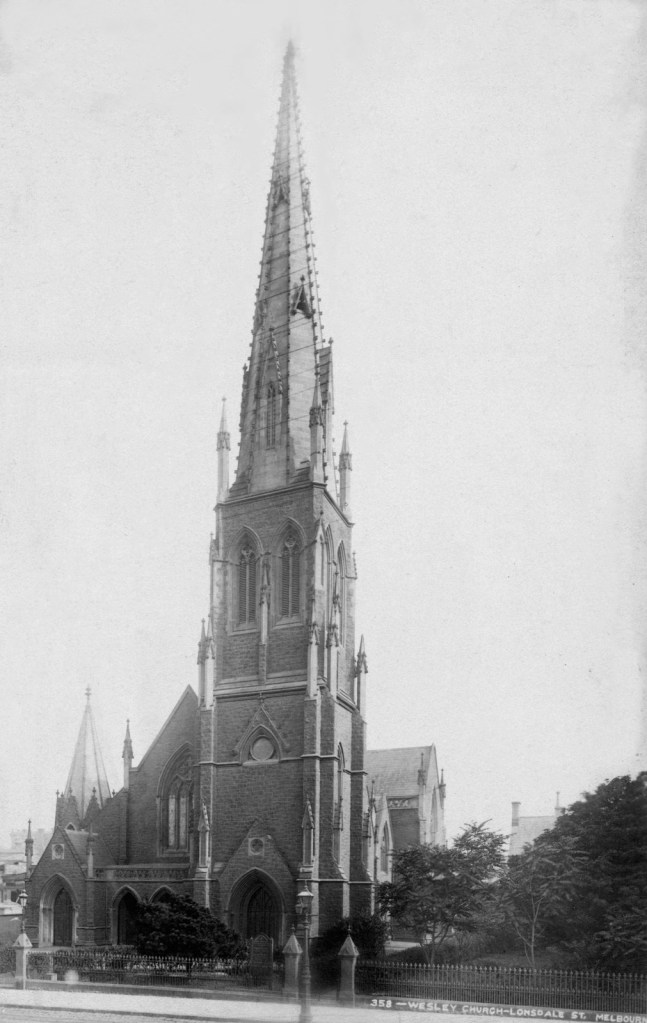
Courtesy SLV
The foundation stone of the Gothic style Wesley Church in Lonsdale Street was laid in December 1857 and the church opened nine months later. The following year a manse and a schoolroom were added. This was not the first Wesleyan church in Melbourne. A group of about thirty people, led by lay preachers, met in a small brick church on the corner of Swanston Street and Flinders Lane from 1838. In 1841, with increasing numbers, another church was built on the corner of Collins and Queen Streets.
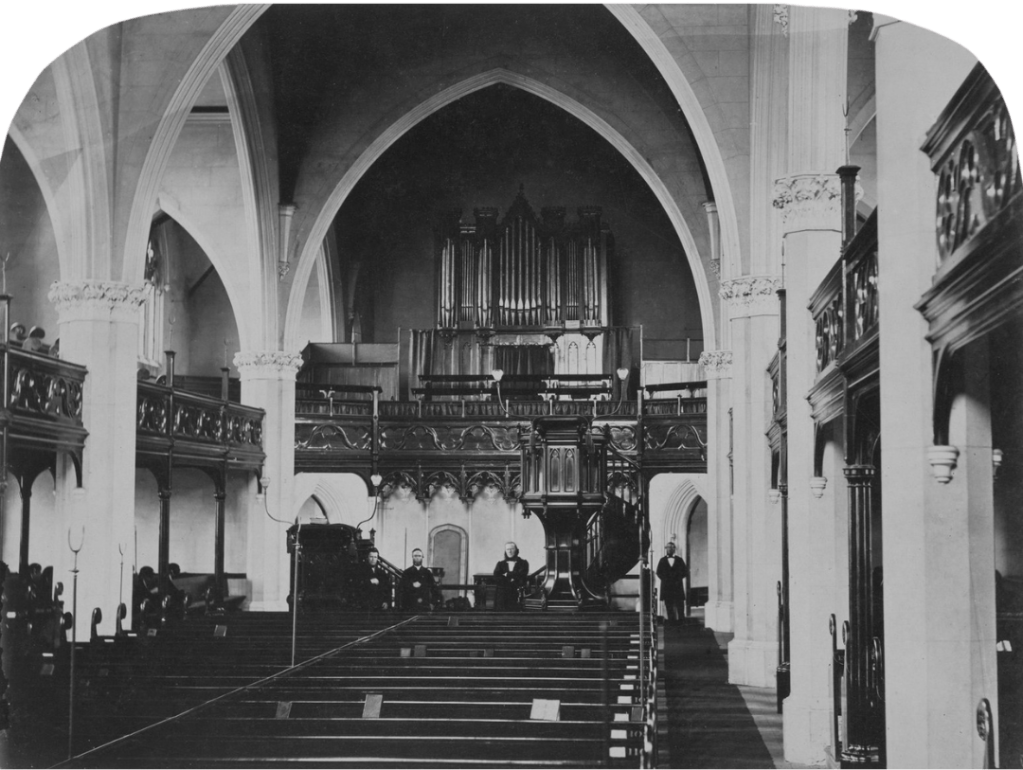
Photographer: Charles Nettleton. Courtesy SLV
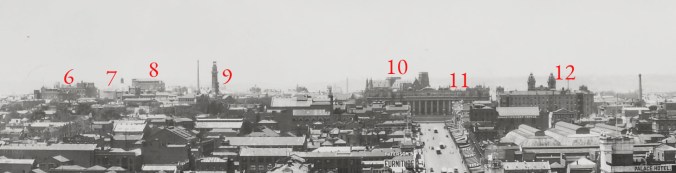
6. St Vincent’s Hospital. – 7. The Cyclorama. – 8. Mount St Evin’s Private Hospital. – 9.Eastern Hill Fire Station.
10. St Patrick’s Cathedral. – 11. Parliament House. – 12. The Grand Hotel.
6. St Vincent’s Hospital
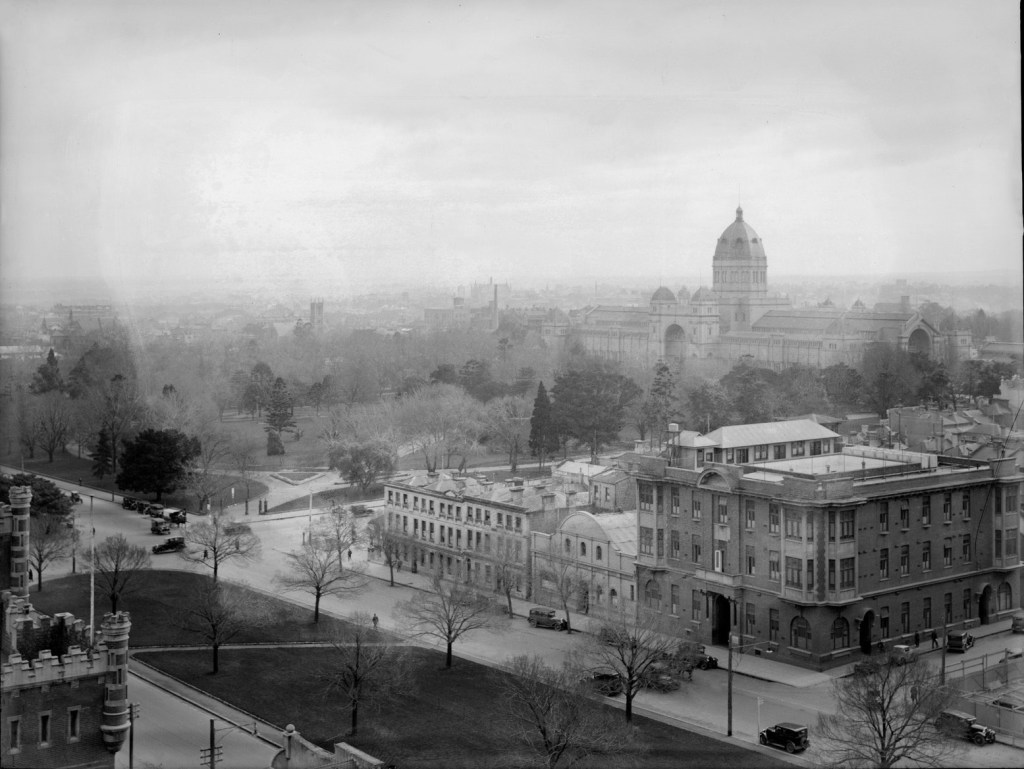
Photographer: Albert Jones. Courtesy SLV
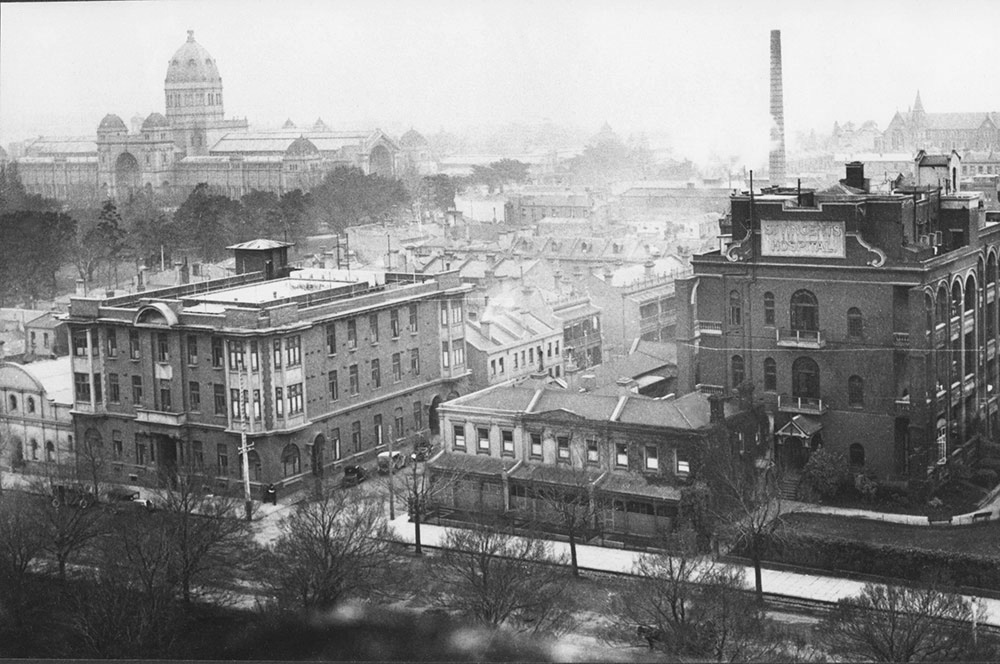
Courtesy St Vincent’s Hospital
The first photograph shows St Vincent’s Hospital on Victoria Parade with the Carlton Gardens and the Exhibition Building in the background. In the second photograph, the Academy of Mary Immaculate can be seen at the skyline at the upper right of the image. Both photographs were taken from the Salvation Army Training College opposite.
The photograph to the left was taken in the late 1920s (after demolition of original hospital). It shows three terraced buildings at the corner of Nicholson Street, all boarding houses. The small two story building is Brenan Hall, formerly the Hall of Science built in 1889 by the Australasian Secular Association. It was bought by St Vincent’s in 1913 and was used as a waiting room for the outpatients clinic on the ground floor of the Druids Wing (opened in 1914). Administration offices and nurses’ accommodation were located on the upper floors of the Druids Wing. Brenan Hall was also used for concerts, meetings and dances.
The photo on the right was taken around 1920. The Druids Wing stands on one side of Regent Street, on the other are three converted terrace houses—the original hospital established by the Sisters of Charity in 1993. Behind them is the hospital itself, purpose built and opened in 1905.
7. The Cyclorama
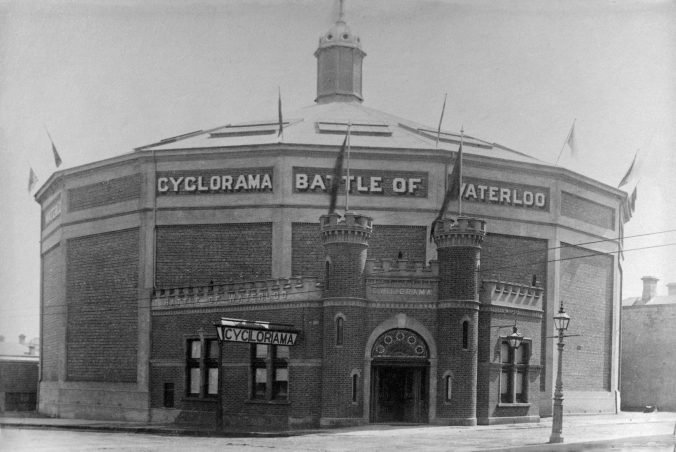
Photographer: Albert C Green. Courtesy SLV
Beside St Vincent’s Hospital, on the corner of Fitzroy Street, is the Cyclorama. Opened in 1889, it showed a 360o, 1858 square metre picture of the Battle of Waterloo around the internal walls, viewed from a central platform. Later, pictures of the Battle of Gettysburg and the Eureka Stockade were shown. The cyclorama closed in 1904 and the building was later used as a circus, a boxing ring, and a cinema. The building was bought by the Sisters of Charity who opened an opportunity shop in it in 1925. It was demolished in the late 1920s to make way for the building of the Healy wing of the hospital.
8. Mount Saint Evin’s Private Hospital
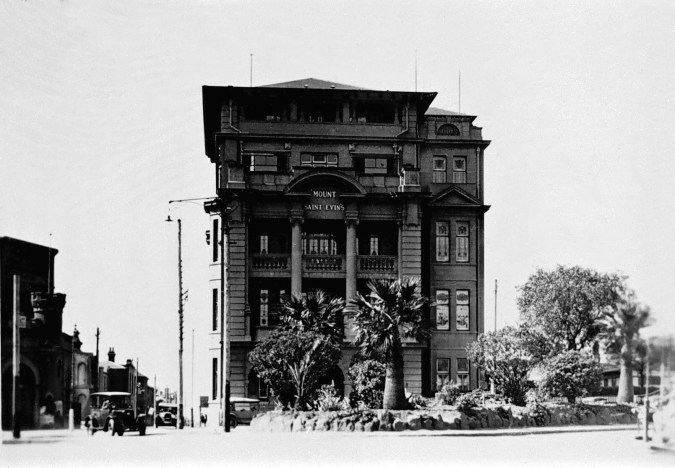
Courtesy Museums Victoria
Mount St Evin’s was opened by by the Sisters of Charity in 1911 as a private hospital. It was demolished in the late 1960s and the current St Vincent’s Private Hospital built, opening in 1972.
9. Eastern Hill Fire Station
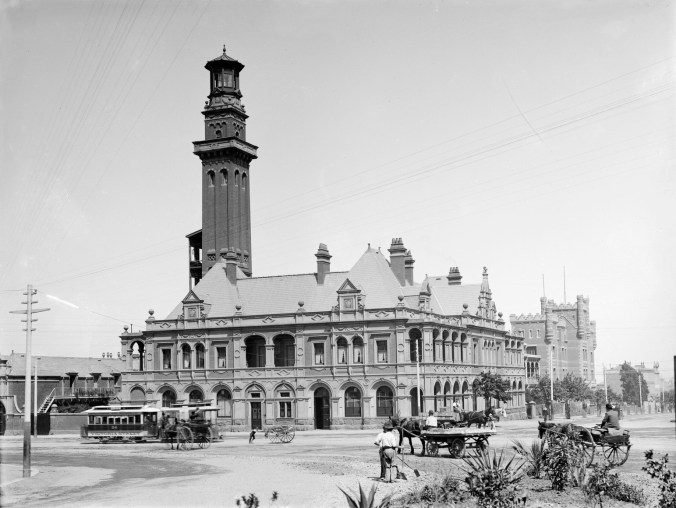
Courtesy SLV
Eastern Hill Fire Station on the corner of Victoria Parade and Gisborne Street. It was completed in 1893 and was the main fire station for the city of Melbourne until the 1970s when a modern fire station was built beside it. It now houses the Fire Services Museum.
10. Parliament House
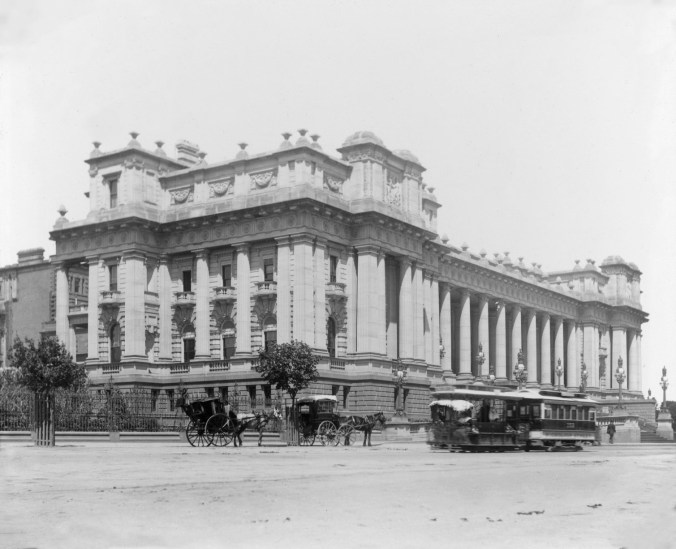
Photographer: W H Ferguson. Courtesy SLV
Parliament House stands on Spring Street, at the top of Bourke Street. It was built in stages through the second half of the 19th century. The two chambers for the Legislative Assembly and the Legislative Council were completed in 1855 and the first sessions held on 25 November 1856. Following Federation, the Federal Parliament sat here from 1901 to 1927 when it moved to Canberra. The Victorian State Parliament sat in the Western Annexe of the Royal Exhibition Building during these years.
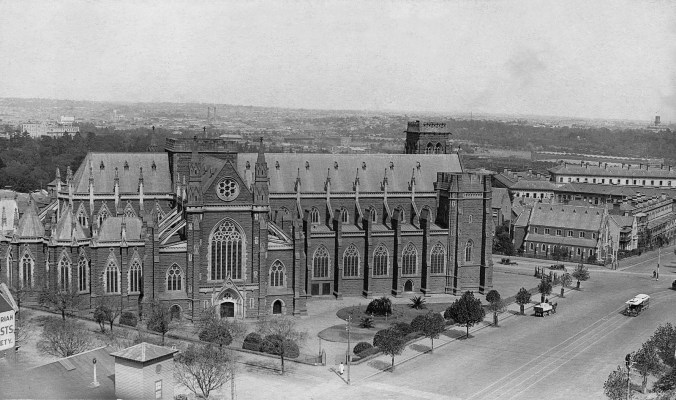
11. St Patrick’s Cathedral
Courtesy SLV
The site of St Patrick’s Cathedral in Eastern Hill was granted to the Catholic Church in 1850. Initially a temporary weatherboard church was built on the site and a more substantial bluestone church begun. Building was interrupted by the exodus of men in 1851 with the discovery of gold. The first section was completed and roofed and opened to the public but was never finished. By 1858, the first Catholic Bishop of Melbourne Dr James Alipius Goold had decided to build a cathedral. The building was completed in stages and paid for by the donations of ordinary parishioners and parish organisations. St Patrick’s Cathedral was finished and consecrated in October 1897. The spires were added in 1939.

Courtesy SLV
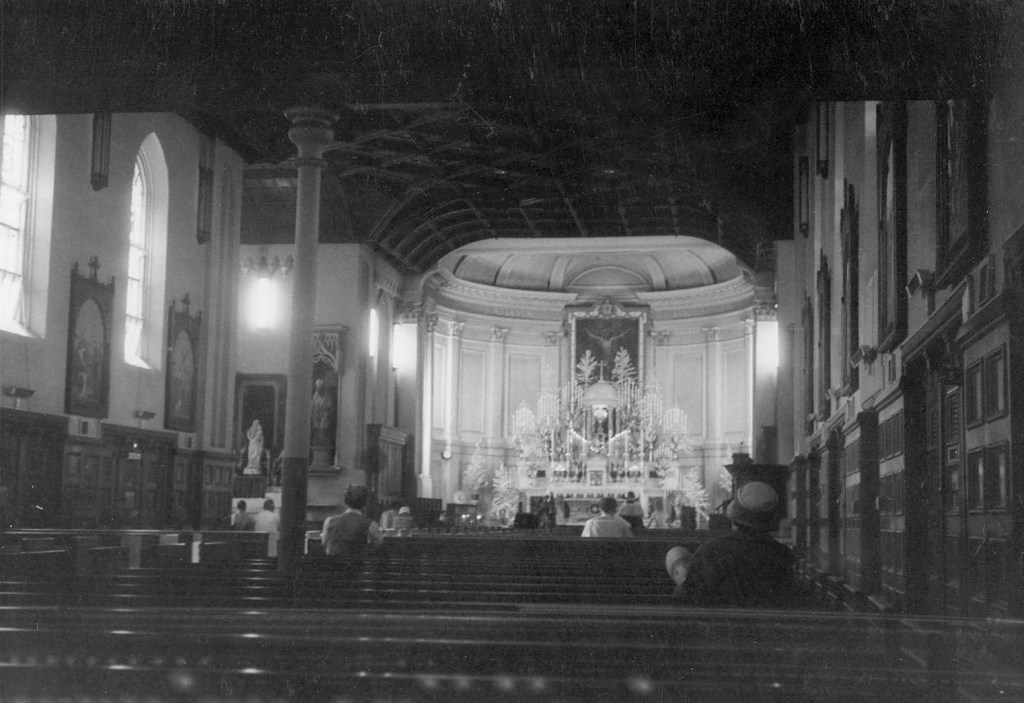
The original Catholic Cathedral was St Francis Church on the corner of Elizabeth and Lonsdale Streets. Originally a small wooden building, the current church was built between 1841 and 1845 but the first Mass was said on 22 May 1842 in the completed nave. It became the cathedral church of the Catholic Bishop of Melbourne in 1848 and remained so until 1868 when the diocesan seat was moved to St Patrick’s which was not yet finished. The beautiful Lady Chapel on the Elizabeth Street side of the church was built between 1856 and 1858.
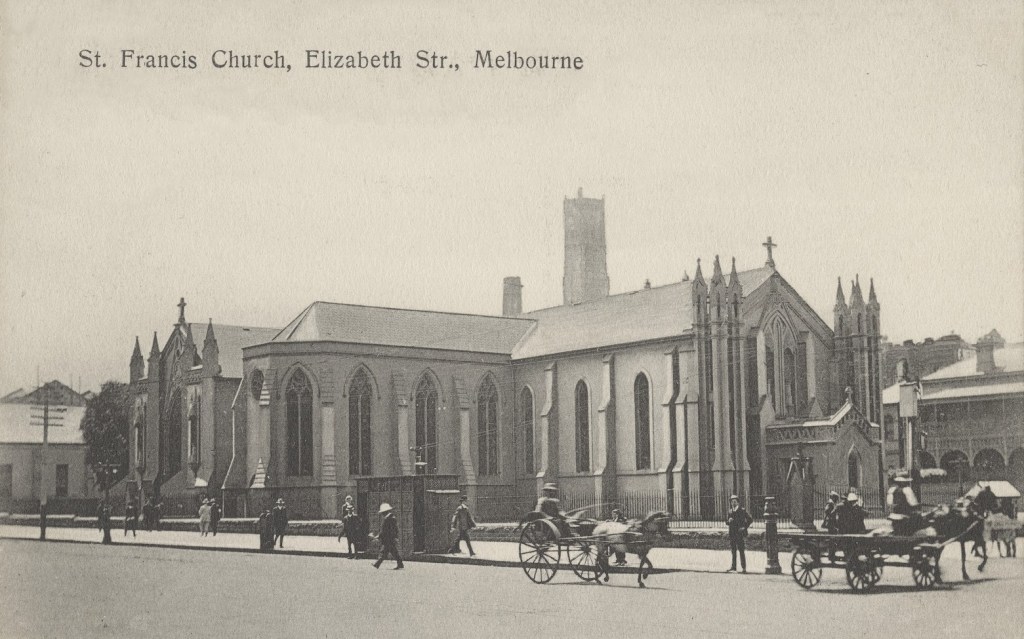
The Presbytery can be seen at the right, beside the church.
Courtesy SLV
Photographer:John T Collins. In Copyright
Courtesy SLV
The wall panelling was added when the church was repaired and renovated in 1955-56.
Some colour images of the church as it is today, including the Lady Chapel, can be found here.
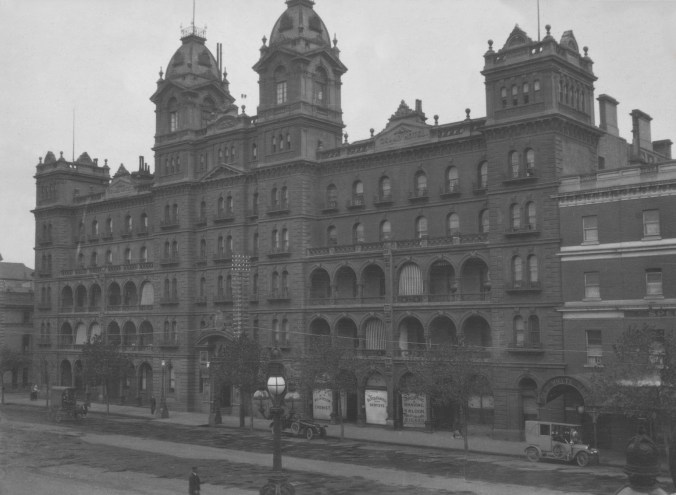
12. The Grand Hotel
Courtesy SLV
The Grand Hotel was built by a shipping magnate, George Nipper, and opened in 1884. It was sold two years later to James Munro, a politician and leading member of the Temperance movement. He expanded it and operated it as a coffee palace named the Grand Coffee Palace’. The twin mansard roofed towers were added at this time. Munro was declared bankrupt in February 1893. With a change of ownership in 1897, it was once again named the Grand Hotel. The hotel changed ownership in 1920 and became the Windsor Hotel, its current name. Its fortunes have fluctuated over the years but it is still standing, looking grand, in Spring Street.
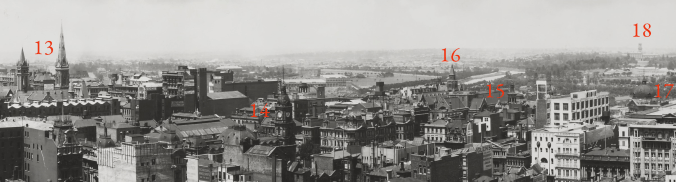
13. The Scots’ Church & the Independent Church. – 14. Melbourne Town Hall. – 15. St Paul’s Cathedral.
16. Metropolitan Gas Company. – 17. Flinders Street Railway Station. – 18. Government House.
13. The Scots’ Church & the Independent Church
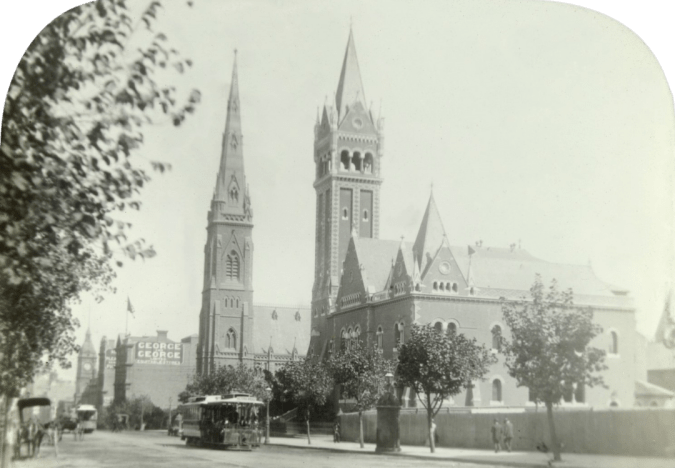
The Scots’ Church on the left and the Independent Church on the right.
Courtesy SLV – Gosbell collection of lantern slides
The Scots’ Church on the north-west corner of Collins and Russell Streets is a Presbyterian Church. The first Presbyterian services in the Port Phillip District had been held on the banks of the Yarra in 1836. Church services were later held in a temporary wooden building at the western end of Collins Street. Once the congregation had received an official grant of land, a church was built on the present site in 1841. The current church was built between 1871 and 1874 in the Neo-Gothic style with magnificent stained glass windows. Its spire was the tallest structure in Melbourne in the latter decades of the nineteenth century.
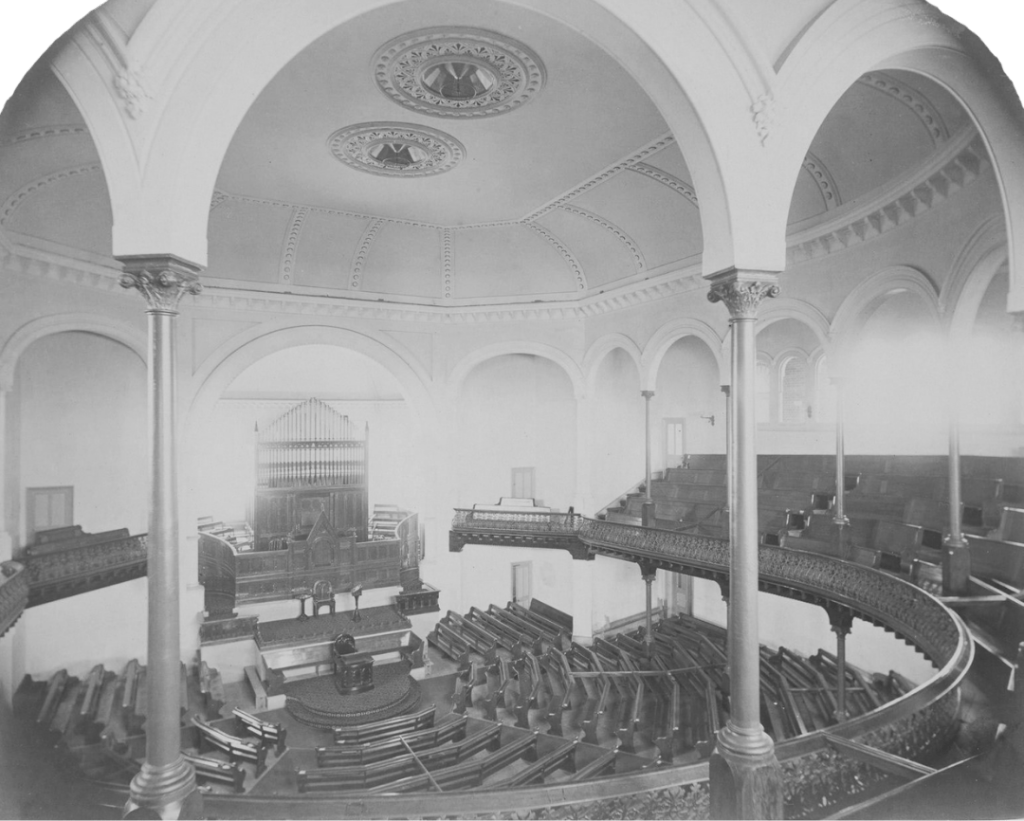
The Collins Street Independent Church was a Congregational Church on the north-east corner of Collins and Russell Streets. The first Congregational church in the Port Philip District was built on the present site between 1839 and 1841. This was demolished in 1863 and the current larger church completed in 1866. The church is in Lombardic Romanesque style with a tall square bell tower, round Romanesque arches around the doors and windows and the open cloisters in each side. The interior is set out like a theatre auditorium allowing the congregation to clearly see and hear see the preacher.
The church was known as the Collins Street Uniting Church after the establishment of the Uniting Church in 1977, then changed to St Michael’s Uniting Church in 1990.
Photographer: Charles Nettleton. Courtesy SLV
14. Melbourne Town Hall
Photographer: Sears Studios. Courtesy SLV
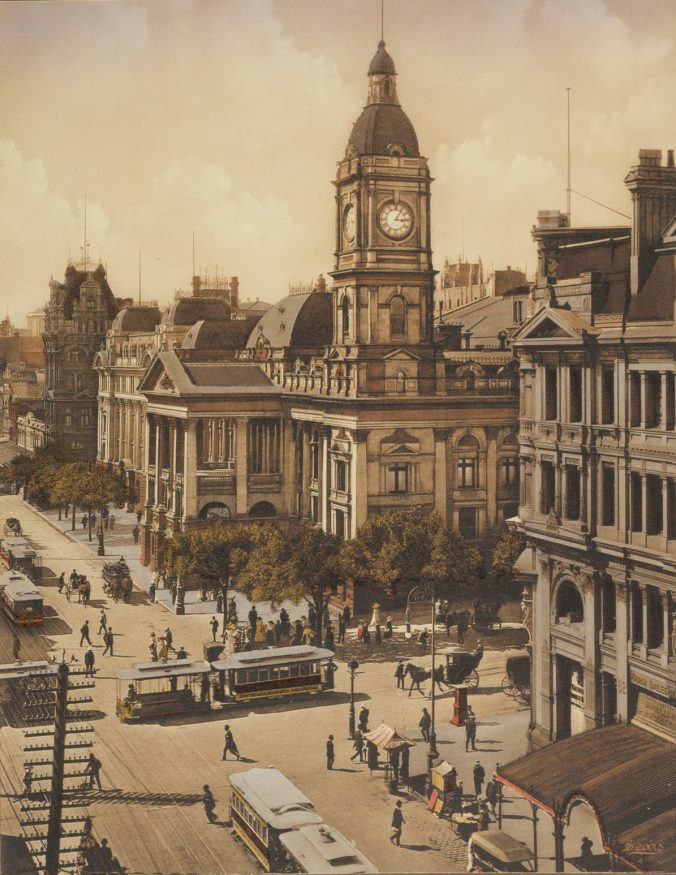
The Melbourne Town Hall stands on the corner of Collins and Swanston Streets, at the other end of the same block as the Scots’ Church. The original brick Town Hall was built between 1850 and 1854, the building works were delayed, as were many other building projects at the time, by the exodus of men to the goldfields in 1851. The current Town Hall was built of bluestone and Tasmanian freestone between 1867 and 1870 with the portico added in 1887. While building was underway the council operated from the Mechanics Institute in Collins Street (now the Athenaeum). The Adminstration Building was completed in 1910 on the site of the City Police Court beside the Town Hall.
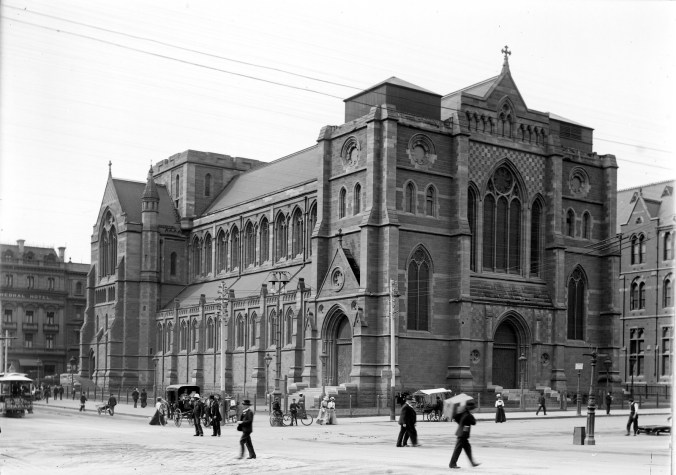
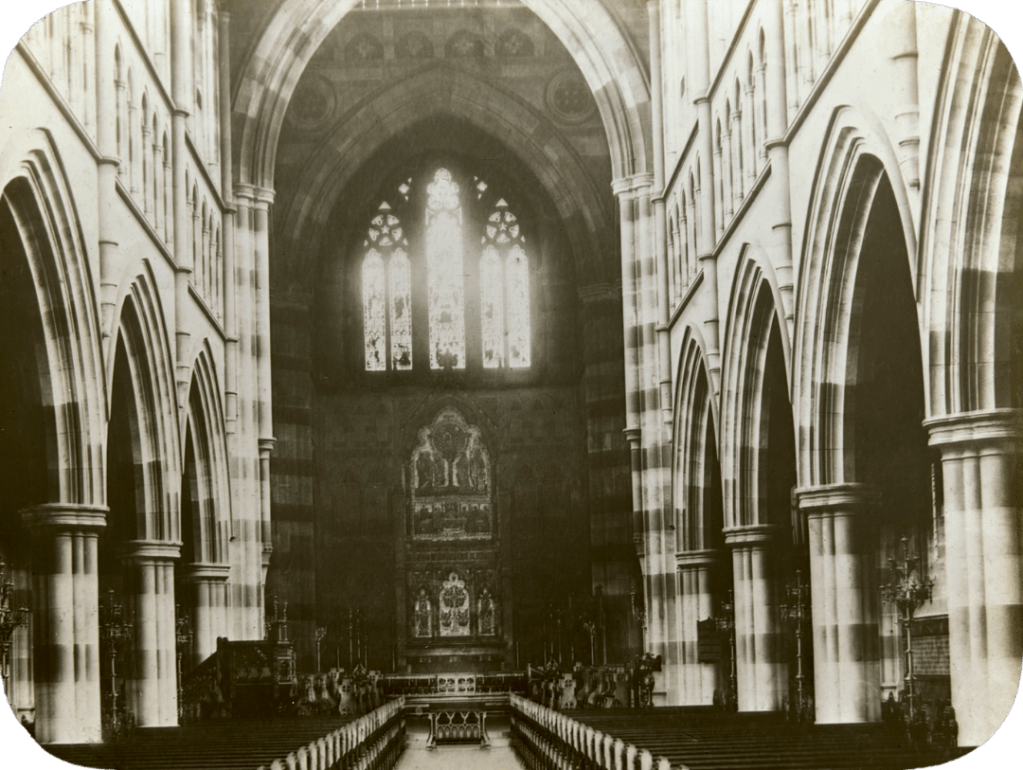
15. St Paul’s Cathedral
Courtesy SLV
The land St Paul’s Anglican Cathedral is built upon was the location of the first Christian service held publicly in Melbourne in 1836. It was conducted in a tent by Alexander Thompson, a Presbyterian medical practitioner. The land was granted to the Anglican Church in 1848 and a bluestone church built there, St Paul the Apostle, and consecrated in 1852. Melbourne’s Anglican Cathedral at the time was St James, built in 1839 at the corner of William and Little Collins Streets. In 1880 it was decided to build a grander cathedral at the St Paul’s site as Swanston Street was now a major thoroughfare at the centre of the city. St Paul’s Cathedral was completed in the Gothic Revival style in 1891 and the spires were added from 1926 to 1932.
Courtesy SLV
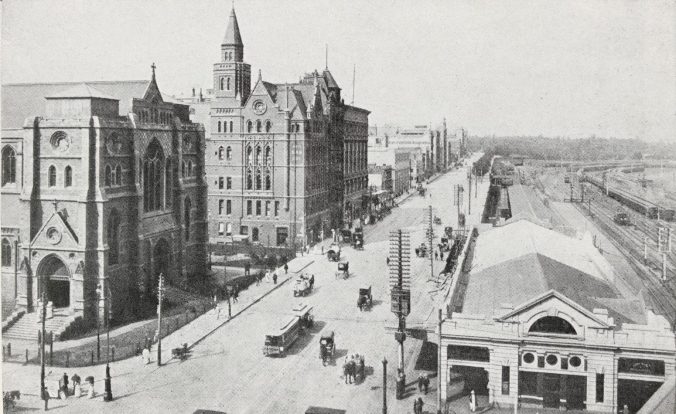
16. Metropolitan Gas Company
Courtesy SLV
Standing beside St Paul’s Cathedral, on Flinders Street, is the Metropolitan Gas Company building. Built in the Gothic Revival style to complement St Paul’s, it opened in 1892 and was the head office and showroom of the Metropolitan Gas Company. Originally a red brick building with rendered dressings, it was completely rendered during the twentieth century.
The Princes Bridge railway station, opened in 1859, can be seen at the lower right of the photograph.
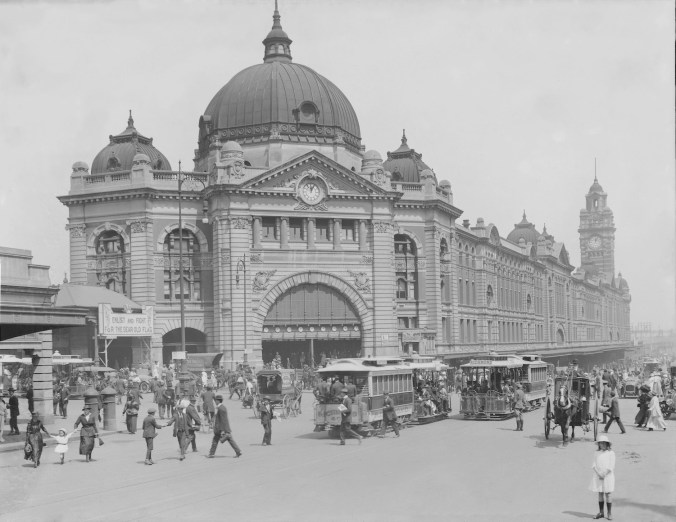
17. Flinders Street Railway Station
Photographer: Kerr Bros. Courtesy SLV
Flinders Street has been a train terminus since 1854 and was the first city railway station in Australia. The first terminus was a 30 metre platform located beside the Fish Market building. Further platforms, overhead bridges, timber and corrugated iron buildings, signal boxes and a telegraph station were added progressively up to 1890s. By the 1880s it was realized that a new passenger station was needed. Over the next twenty years two competitions were held, in-house designs were considered, and the design settled on was altered. Track rearrangement began in 1900 and foundations laid for the main building in 1903. The design of the roof was altered in 1904 and, finally, the main building was begun in 1905. The building was to be faced in stone but, because of the expense, it was decided to build it in red brick with cement render details. Work on the dome commenced in 1906. Because of the slow progress, the builder’s contract was terminated in 1908. The work was then taken over by the Way and Works Branch of the Victorian Railways. The station was completed in 1909 and officially opened in 1910. And since then Melburnians have been meeting each other ‘under the clocks’ — except for a short period in 1919 during the influenza pandemic when, fearful of the spread of infection, the Railways department ordered that ‘loitering under the clocks’ was strictly forbidden.
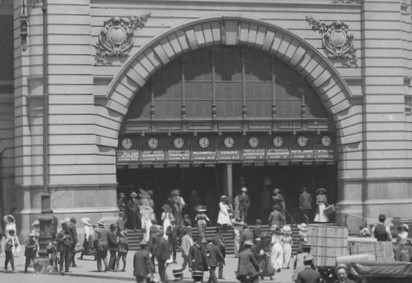
Courtesy SLV
18. Government House
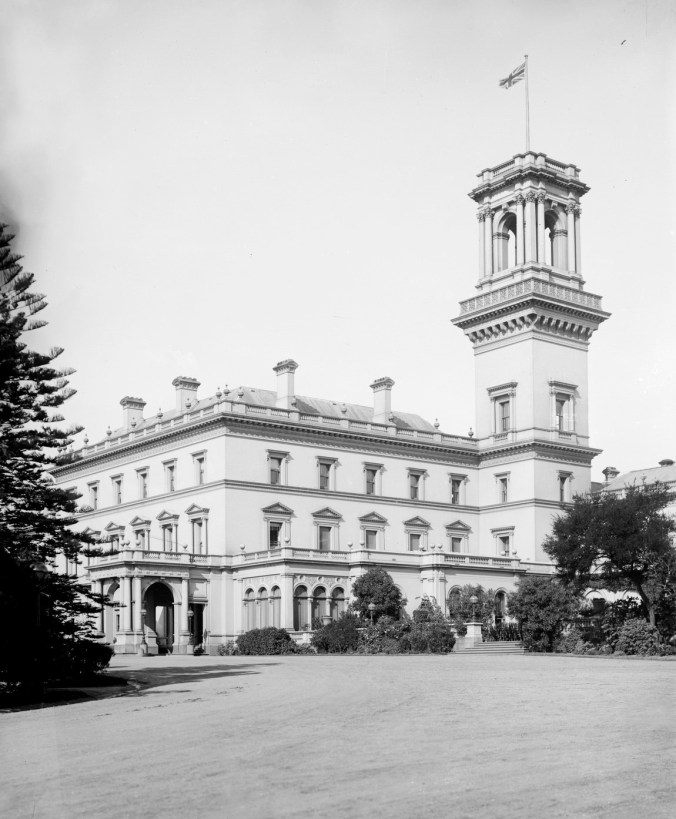
Courtesy SLV
Government House, the official residence of the Governor of the state of Victoria, is located in Kings Domain, alongside the Botanic Gardens. Land had been set aside for the building in 1841. Until it was built, Governors had lived in a variety of locations: La Trobe’s Cottage (1839–1854), Toorak House (1854–1874), and Bishopscourt (1874–1876). Completed in 1876, Government House was built in the Italianate style, and modelled to on Osborne House, Queen Victoria’s residence on the Isle of Wight. It was home to the Governor-General of Australia between 1901 and 1930 while Canberra, the Federal capital, was being built.
And as this is 1920, having crossed Princes Bridge (remodelling completed in 1888 and designed by John Grainger, father of the Australian composer Percy Grainger), we can sit in the pleasant surroundings of the Snowden Gardens and look back across the Yarra River at Melbourne’s skyline which was still at a human scale.
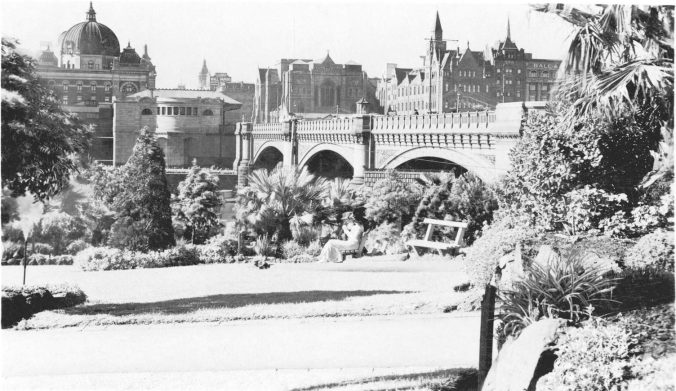
Rose Stereograph Co. Courtesy SLV
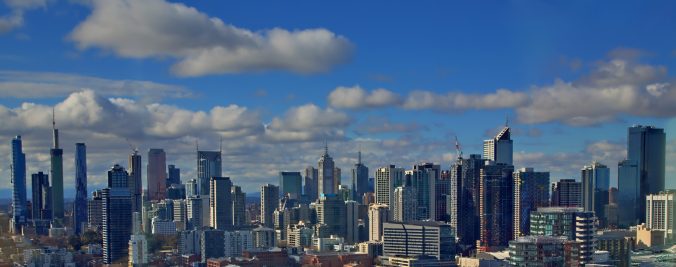
And the view as it is now.
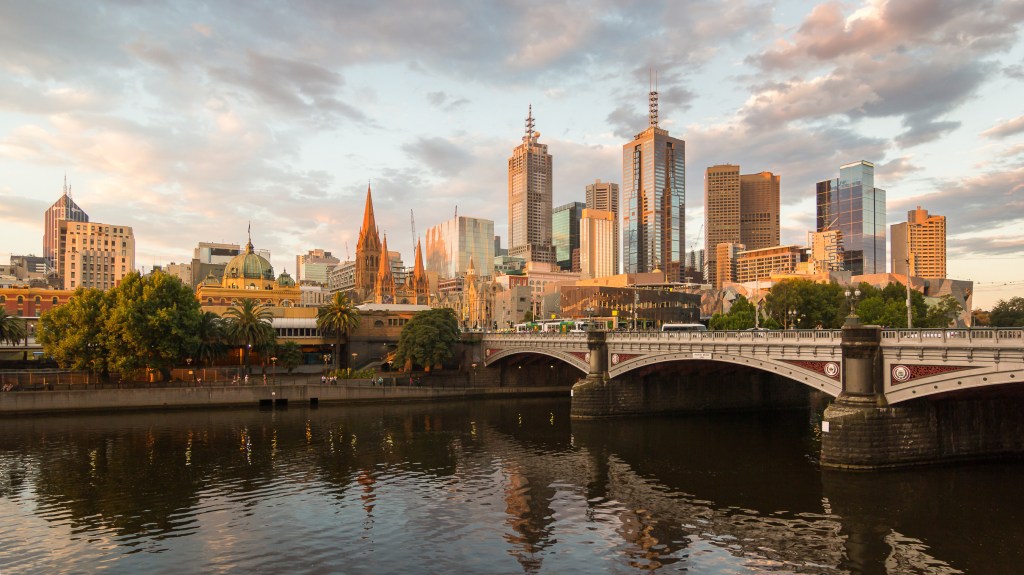
Shutterstock
 Catherine Meyrick
fascinating! not really changed much then 🤣
▪️◾◼️⬛◼️◾▪️▫️◽◻️⬜◻️◽▫️▪️◾◼️⬛◼️◾▪️
LikeLiked by 1 person
It has changed a lot really, but the old Melbourne is there if you go looking for it – which I often do.
LikeLiked by 1 person
✨🙏🙇♂️
LikeLiked by 1 person
It is a lovely city which seems to keep changing and growing.
LikeLiked by 1 person
We are lucky to have retained so many of the older buildings and that those who planned the city set up so much parkland close to the centre. But there has certainly been a lot of change. Greater Melbourne now has a population just slightly larger than the whole of Australia in 1914.
LikeLiked by 1 person
I genuinely feel cheated about missing the 1920s. Yeh, things went pretty bad after 1929 but, man, what a decade.
LikeLiked by 1 person
It certainly was an interesting time but 21st century medicine wins for me.
LikeLiked by 1 person
I get it for sure, but it’s a sacrifice i am willing to take (as if I have a choice!)
LikeLiked by 1 person